
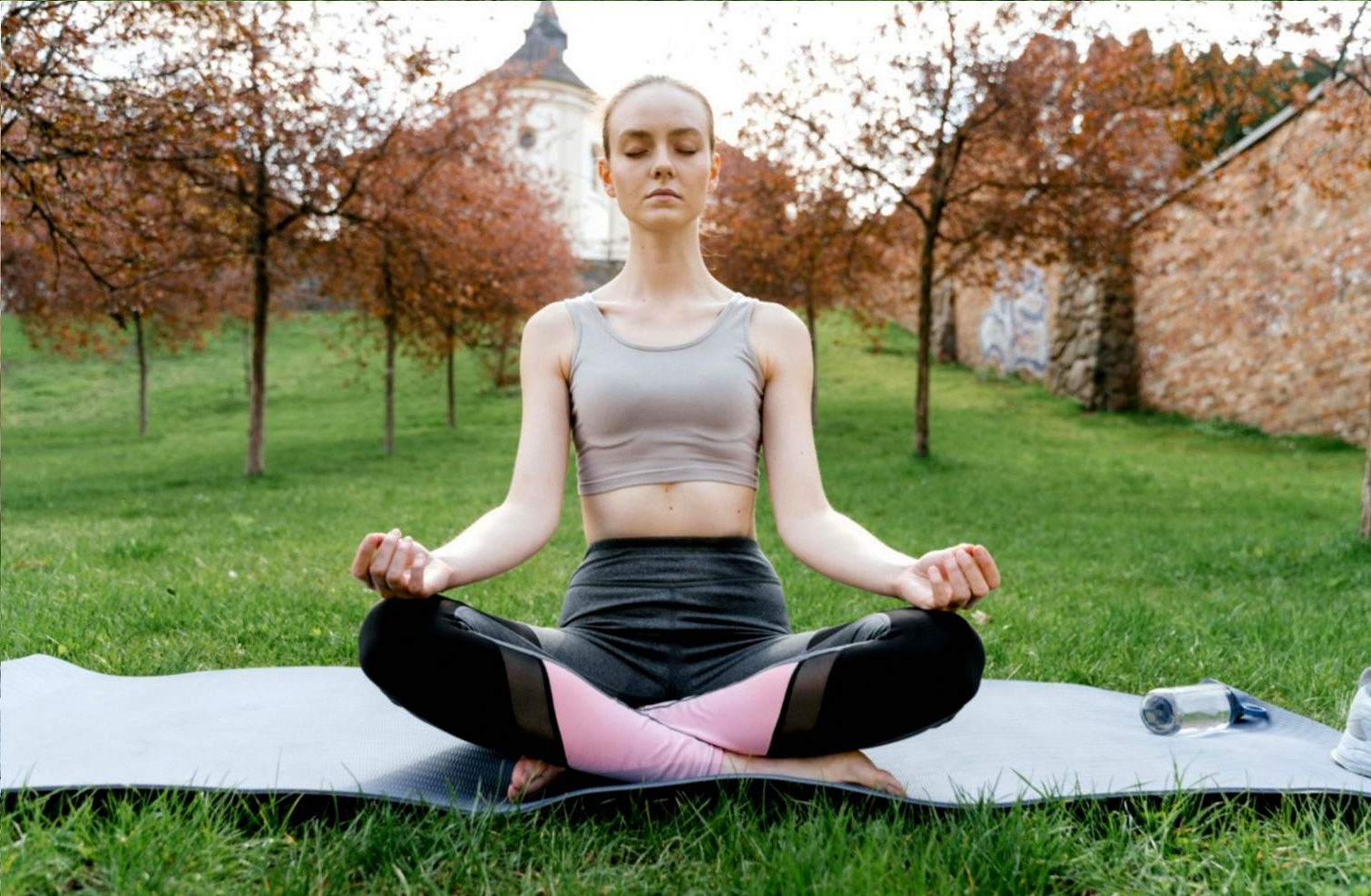
In Conversation — Choicespan
Stillness as a Skill
A conversation with Brigitte Okafor on why mental clarity is something you practise, not something you find.
Read More ConversationsWhat does mental clarity actually feel like — and how do you know when you have it?
BrigitteIt feels like reduced interference. Thoughts are still there, but they stop competing for attention all at once. You notice you can hold one thing without the others crowding in.
Most people describe it as calm, but that undersells it. It is closer to precision — you think more accurately, not just more quietly.
is the threshold where most practitioners report a measurable shift in attention quality — not an hour, not a weekend retreat.
What type of yoga practice most directly supports clearer thinking?
BrigitteSlow, breath-led sequences — yin or hatha — tend to produce the strongest effect on mental clarity for most people. The breath regulation is the mechanism, not the postures themselves.
Fast-paced styles like vinyasa can work too, but the mental benefit often comes in the cool-down, not during the effort.
Practices worth trying first
- Nadi Shodhana — alternate nostril breathing for 5 minutes before a task requiring focus
- Legs-up-the-wall pose — 10 minutes, especially after screen-heavy afternoons
- Body scan in savasana — trains attention without requiring physical effort
What stops people from sticking with a practice long enough to see results?
BrigitteExpecting the wrong thing. People often start yoga hoping to feel relaxed immediately, and when they feel restless or bored instead, they assume it is not working. Early practice often surfaces discomfort before it resolves it.
The first two weeks are the least representative of what the practice actually does. Sticking past that point changes the data entirely.
Is there anything that yoga genuinely cannot do for mental clarity — where it has real limits?
BrigitteYes. Yoga does not treat clinical anxiety or depression on its own. It can be a meaningful complement to professional care, but presenting it as a standalone solution to serious mental health conditions is misleading.
It also cannot substitute for adequate sleep, and trying to use morning practice to compensate for chronic sleep loss produces diminishing returns fairly quickly.